
Updated On: October 6, 2025
Pakistan Accelerated Vehicle Electrification: Transforming Pakistan’s Transport Future
Electric mobility is no longer a far-off dream. Around the world, governments and businesses are investing heavily in electric vehicles (EVs) to cut carbon emissions, reduce dependence on imported oil, and provide cleaner, cheaper transport to citizens. Pakistan has joined this movement through the Pakistan Accelerated Vehicle Electrification initiative (PAVE) a flagship Pakistan electric vehicle program built on the National Electric Vehicle (NEV) Policy 2025-30.
This article explains how the program works, what it offers to citizens, and how you can benefit from the government’s new electric vehicle scheme.
Why Pakistan Needs Accelerated Vehicle Electrification
Urban centers such as Karachi, Lahore, and Islamabad struggle with high air pollution and soaring fuel costs. Traditional motorcycles and rickshaws burn imported petrol or diesel, adding to emissions and the national import bill.
The Pakistan Accelerated Vehicle Electrification Program addresses these problems by:
- Transitioning high-volume vehicles (bikes, rickshaws, loaders) to electric.
- Reducing Pakistan’s annual fuel import expenditure.
- Improving urban air quality and public health.
- Creating a new market for local EV manufacturing, assembly, and servicing.
This is why the new energy vehicle policy 2025-30 and the Pakistan electric vehicle program are central to the country’s economic and environmental strategy.
Inside the Pakistan Accelerated Vehicle Electrification Program
The Pakistan Accelerated Vehicle Electrification Program is a multi-year plan that combines subsidies, financing, and infrastructure development to encourage ordinary citizens and businesses to switch to EVs. It answers the question often asked by citizens: “What kind of policies is Pakistan implementing to encourage the use of electric vehicles?”
Some key pillars include:
- National Electric Vehicle (NEV) Policy 2025-30: Targets at least 30% of new vehicle sales to be electric by 2030.
- Charging Infrastructure: Thousands of public and private charging stations to be set up nationwide.
- Fiscal Incentives: Subsidies, tax breaks, and lower tariffs to reduce the purchase price of electric vehicles.
- Government Fleet Transition: Mandating government agencies to adopt EVs by set dates to create demand.
Phase 1 Distribution (2025–26)
Phase 1 is the starting point for the Pakistan Accelerated Vehicle Electrification Program and will run from 2025 to 2026. Under this phase, the government plans to distribute:
- 40,000 Electric Bikes
- 1,000 Electric Rickshaws
- 1,000 Electric Three-Wheelers
By focusing on two and three-wheelers first, the program directly targets the segments that account for the largest share of daily urban trips and fuel consumption.
How to Apply for the Electric Vehicle Scheme
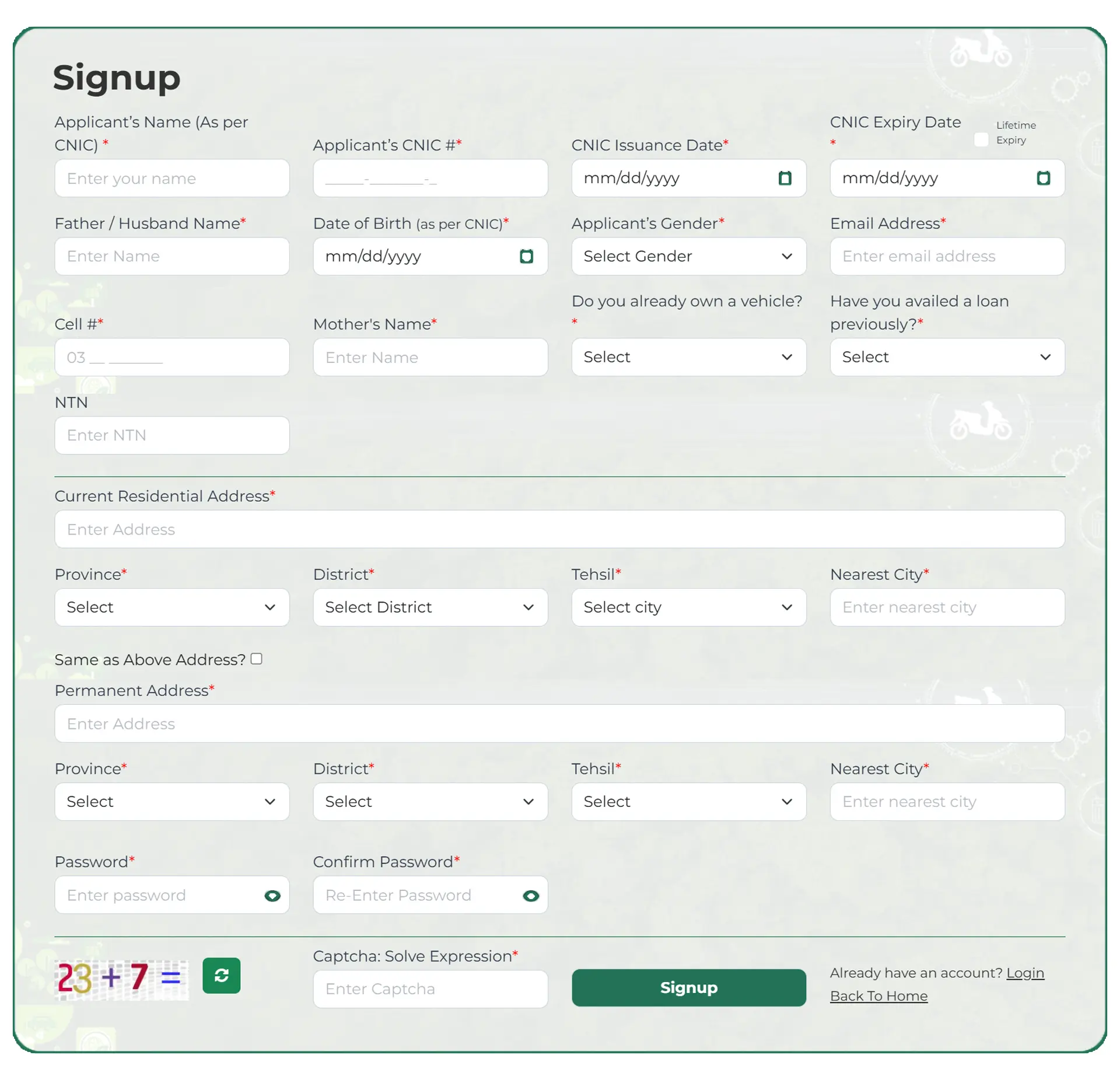
To ensure transparency and broad access, the government has created an online portal for Pakistan Accelerated Vehicle Electrification Program registration. The process is simple:
- Click “Apply for Electric Vehicle Scheme” on the official website.
- Choose your vehicle type bike, rickshaw, or three-wheeler.
- Upload required documents (CNIC, proof of address, income details, etc.).
- Pay the application fee of PKR 1,048 via the National Bank of Pakistan.
- Wait for Balloting: After the deadline (30 September 2025), a computerized lucky draw will be conducted. Selected applicants will be notified via SMS or email.
- Receive Vehicle: Successful candidates will be contacted for vehicle delivery under the subsidy scheme.
This step-by-step registration process guarantees fairness and efficiency while reaching people across the country.
Subsidy & Installment Plans
One of the most attractive features of the Pakistan Accelerated Vehicle Electrification Program is its generous subsidy structure, which makes EVs affordable to the average citizen:
- Electric Motorcycle: Up to 50% subsidy – approx. PKR 2,900/month installment.
- Electric Rickshaw: Up to 80% subsidy – approx. PKR 8,800/month installment.
- Electric Three-Wheeler: Subsidy included based on scheme details.
These installment plans allow people to switch to electric vehicles without heavy upfront costs, spreading payments over time while saving on fuel and maintenance.
Estimated Savings for Participants
Switching to electric vehicles under the PAVE scheme can save substantial amounts:
- Electric Loader: Save up to Rs. 80,000/month.
- Electric Rickshaw: Save up to Rs. 45,000/month.
- Electric Motorcycle: Save up to Rs. 10,000/month.
On a national level, this initiative could save approximately Rs. 880 crore annually in fuel expenses. These savings not only help individuals but also ease pressure on Pakistan’s foreign exchange reserves.
Supporting Infrastructure Under the NEV Policy 2025-30
The National Electric Vehicle (NEV) Policy 2025-30 also addresses infrastructure challenges. It includes:
- Establishing thousands of charging stations across highways, urban centers, and petrol stations.
- Training mechanics and technicians in EV maintenance and battery care.
- Reducing electricity tariffs for commercial EV charging points to lower operating costs.
- Encouraging public-private partnerships to expand the charging network quickly.
By pairing subsidies with infrastructure, the government aims to remove barriers that have slowed EV adoption in other markets.
What Kind of Policies Is Pakistan Implementing?
Pakistan is deploying a mix of regulatory, fiscal, and infrastructure policies to drive EV adoption:
- Regulatory: Mandating targets and government fleet conversions.
- Fiscal: Tax exemptions, reduced duties, and direct subsidies to buyers.
- Infrastructure: National charging network, cheaper electricity for charging, and support for local battery production.
Together, these policies form the backbone of the Pakistan electric vehicle program and ensure the sustainability of Pakistan Accelerated Vehicle Electrification efforts.
Long-Term Benefits
If implemented effectively, the Pakistan Accelerated Vehicle Electrification Program will deliver:
- Cleaner Air: Significant reduction in urban smog and greenhouse gases.
- Lower Transport Costs: Savings for individuals and businesses, especially small entrepreneurs using rickshaws and loaders.
- Job Creation: New employment in assembly plants, battery recycling, and charging station operations.
- Energy Security: Reduced dependence on imported petrol and diesel.
Conclusion: A Future Powered by New Energy
The Pakistan Accelerated Vehicle Electrification initiative, anchored by the new energy vehicle policy 2025-30 and supported by the Pakistan electric vehicle program, represents a transformative shift in Pakistan’s transport sector.
With Phase 1 Distribution already planned, easy online registration, high subsidies, and clear installment plans, citizens now have a real chance to own affordable electric vehicles. On a national scale, the program could save billions of rupees, create thousands of jobs, and drastically cut emissions putting Pakistan firmly on the road to a cleaner, more sustainable future.


