
Updated on Mar 18, 2025
How Much Does It Cost to Install EV Charger at Home in Pakistan?
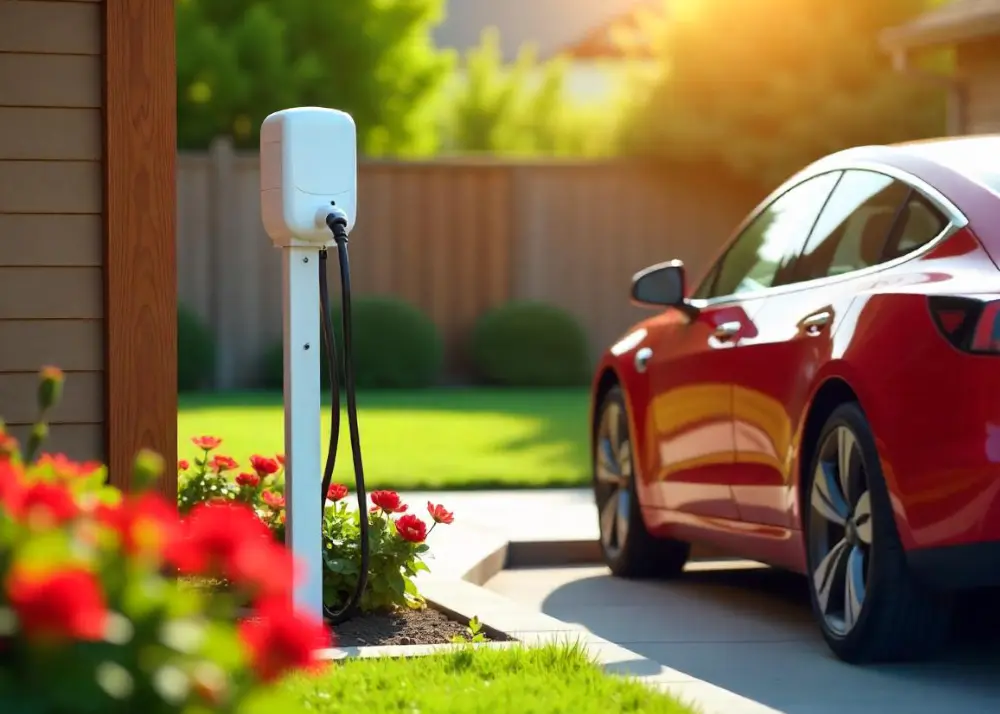
The shift toward electric vehicles (EVs) is accelerating across Pakistan as more drivers look for cleaner, more cost-effective transportation options. Along with this growth comes an increasing demand for home charging solutions. One of the first questions new EV owners ask is: How much does it cost to install EV charger at home?
A home charging station offers convenience, flexibility, and the ability to start each day with a fully charged vehicle. However, the total cost of installation can vary depending on your home’s electrical setup, the charger you choose, and the complexity of the installation process.
This guide explains the key factors that influence the cost of installing an EV charger at home and what homeowners can expect when planning their investment.
Why Install an EV Charger at Home?
Charging your electric vehicle at home is one of the most practical ways to enjoy EV ownership. Instead of searching for public charging stations, you can charge your vehicle overnight and have it ready whenever you need it.
A dedicated EV charger for home use also provides faster charging speeds and greater reliability than a standard household outlet. For many homeowners, it quickly becomes an essential part of their daily routine.
Factors That Affect the Cost to Install EV Charger at Home
The Type of Charger You Choose
The charger itself is often the biggest factor influencing the overall cost.
Level 1 Chargers
Level 1 chargers plug into a standard household socket and require little to no installation work. While affordable, they charge slowly and may not be ideal for drivers who travel long distances regularly.
Level 2 Chargers
Most homeowners prefer Level 2 chargers because they provide significantly faster charging. They require a 240V electrical connection and are widely considered the best EV charger for home use due to their balance of performance and affordability.
DC Fast Chargers
DC fast chargers deliver extremely rapid charging but require substantial electrical capacity. These systems are generally designed for commercial locations and are rarely installed in residential settings.
Existing Electrical Infrastructure
Before you install EV charger at home, your electrical system must be evaluated.
Some properties already have sufficient capacity to support a charger, while others may require upgrades such as:
- A larger electrical panel
- Dedicated charging circuits
- New wiring
- Safety breakers and surge protection
- Electrical inspections
Homes with older electrical systems often require additional work, which can increase installation costs.
Installation Distance and Location
The location of the charger also affects the final price.
For example, if the charger is installed close to the electrical panel, fewer materials and less labor are needed. However, if the charger is located far from the panel, additional wiring and cable management may be required.
Other factors include:
- Indoor or outdoor installation
- Wall-mounted or pedestal-mounted chargers
- Weatherproof protection for outdoor setups
- Accessibility and construction requirements
Safety Standards and Compliance
Professional EV home charger installation ensures that all electrical work meets safety requirements and local regulations. Depending on the location and scope of work, inspections or approvals may also be necessary.
Choosing qualified installers helps prevent electrical issues and protects your investment in the long term.
Average Cost to Install EV Charger at Home in Pakistan
While every installation is unique, homeowners can generally expect the following price ranges:
EV Charger Cost
A quality EV home charger typically costs between PKR 200,000 and PKR 390,000, depending on charging capacity, smart features, and brand specifications.
Installation Cost
Professional installation usually ranges from PKR 100,000 to PKR 150,000. This may include:
- Electrical wiring
- Circuit protection devices
- Cable management and ducting
- Labor charges
- System testing and commissioning
The final cost depends on the complexity of the project and any electrical upgrades required.
Ways to Reduce Installation Costs
Although installing an EV charger is a worthwhile investment, there are several ways to manage expenses.
Select the Right Charger
Many homeowners assume they need the most powerful charger available. In reality, choosing a charger that matches your driving habits can save money without sacrificing convenience.
Installation Cost
Many homeowners assume they need the most powerful charger available. In reality, choosing a charger that matches your driving habits can save money without sacrificing convenience.
Compare Installation Quotes
Getting estimates from multiple certified installers allows you to compare pricing, services, and installation approaches before making a decision.
Combine Electrical Projects
If you are already planning electrical upgrades or renovations, scheduling your EV home charger installation at the same time can help reduce labor costs.
Plan Ahead
Understanding the expected cost before starting the project makes budgeting easier and helps avoid unexpected expenses later.
Choosing the Best EV Chargers for Home Use
With a wide range of products available, selecting the right charger can feel overwhelming. When comparing the best EV chargers for home, consider factors such as:
- Charging speed
- Safety certifications
- Smart connectivity features
- Weather resistance
- Warranty coverage
- Ease of use
Many homeowners prefer smart charging systems because they provide remote monitoring, charging schedules, and energy tracking through mobile applications.
Whether you are searching for the best home EV chargers or exploring options among the best EV home chargers, choosing a reliable product ensures long-term performance and peace of mind.
Why Homeowners Choose ACharge
ACharge offers dependable charging solutions designed for Pakistan’s growing EV market. From helping customers select the right EV charger for home use to providing professional installation services, ACharge focuses on safety, efficiency, and long-term reliability.
Every installation is tailored to the property’s electrical requirements, ensuring optimal charging performance and compliance with safety standards.
Conclusion
Choosing to install EV charger at home is an investment in convenience, efficiency, and the future of transportation. While costs vary depending on the charger type, electrical requirements, and installation conditions, proper planning can help homeowners make informed decisions.
By selecting one of the best EV chargers for home and working with experienced professionals, you can enjoy reliable charging, lower operating costs, and the convenience of powering your vehicle from the comfort of your own home.
Frequently Asked Questions (FAQs):
What considerations impact the cost of residential EV charger installation?
Cost is affected by multiple elements like charger type, electrical panel upgrade, installation difficulty, required permits, and the distance between the charging area and the electrical panel.
Is it a necessity to upgrade an electrical panel for an EV charger installation?
It’s not the case for Level 1 chargers but older houses may require an upgrade to a higher amperage panel for Level 2 chargers. Your system can be evaluated by a skilled electrician.
Are there any available incentives or rebates for the residential installation of an EV charger?
Most regions offer government incentives alongside rebates, and in some cases, even tax credits to cover the cost of installation. Local programs can be checked or ACharge can be contacted to learn about the available incentives.
In what ways can I cut back on the expense of installing an EV charger?
Costs can be trimmed down by choosing an appropriate charger, combining electrical work into a package deal, claiming an incentive, and even shopping around for multiple estimates from qualified consultants on EV chargers.


