Updated On: April 24, 2026
Changing Preferences: Pakistan Sees 61% EV Growth and 9% Drop in Petrol Cars
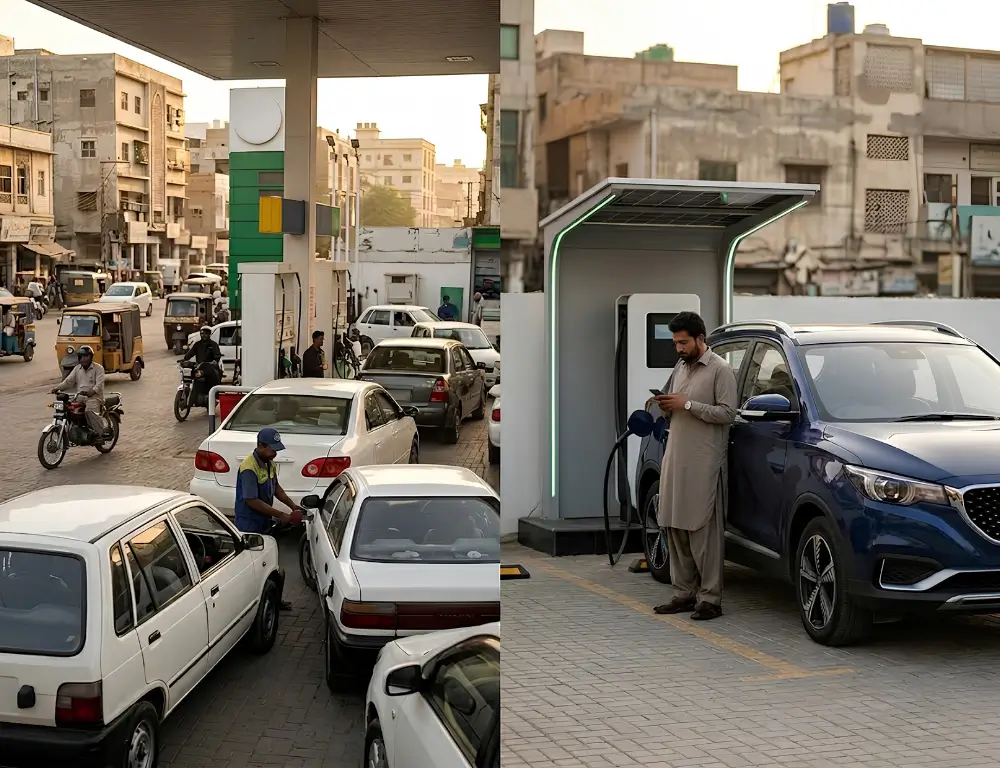
Pakistan’s automobile market is undergoing a noticeable transformation. A recent shift in buying patterns shows a strong rise in electric vehicle adoption, with a 61% increase in sales. At the same time, petrol car sales have declined by 9%. This contrast highlights a broader trend of EV Growth in the country, driven by changing consumer priorities.
A Shift in Consumer Thinking
Car buyers in Pakistan are no longer focused only on upfront costs or brand value. Instead, they are considering long-term affordability and efficiency. This change in mindset is one of the main reasons behind the steady EV Growth seen in recent months.
Urban consumers, in particular, are leading this trend. With increasing traffic congestion and fuel expenses, electric vehicles are becoming a practical solution for daily commuting.
Ready to Power Your EV Future?

Impact of Rising Fuel Prices
Fuel prices continue to rise, putting pressure on household budgets. For many people, owning and operating a petrol car has become more expensive than ever. This has directly contributed to the decline in petrol vehicle sales.
As a result, many potential buyers are exploring alternatives that offer better cost control. This economic pressure is playing a key role in accelerating EV Growth across different segments of the market.
Cost Efficiency Driving EV Demand
One of the biggest advantages of electric vehicles is their lower running cost. Charging an EV is significantly cheaper compared to fueling a petrol car. Over time, these savings become substantial, especially for daily users.
Additionally, the increasing adoption of solar energy in Pakistan is supporting EV usage. Many users are now able to charge their vehicles using solar power, which further reduces expenses. This combination is strengthening the foundation for continued EV Growth.
Business Adoption of Electric Vehicles
The commercial sector is also contributing to the rise of electric mobility. Delivery services, ride-hailing drivers, and logistics companies are shifting toward EVs to reduce operational costs.
For businesses that rely heavily on transportation, managing fuel expenses is critical. Electric vehicles offer a more stable and predictable cost structure, making them an attractive option. This growing interest from businesses is another factor supporting EV Growth in Pakistan.
Improving EV Ecosystem
Pakistan’s EV ecosystem is gradually improving. Charging infrastructure is expanding, and more companies are offering electric mobility solutions. Awareness among consumers is also increasing, helping people better understand the benefits of EVs.
Although the infrastructure is still developing, these improvements are creating a supportive environment for sustained EV Growth in the coming years.
Challenges in the Transition
Despite the positive trend, some challenges remain. Limited charging stations, higher initial costs, and concerns about battery performance can still influence buying decisions.
Addressing these issues will be important to maintain the momentum of EV Growth. With better infrastructure and financing options, more consumers will feel confident in making the switch.
Future Outlook
The rise in EV sales alongside the drop in petrol cars clearly shows that the market is evolving. Consumers are becoming more aware of long-term benefits and are willing to adopt new technologies.
If current trends continue, EV Growth is expected to strengthen further, reshaping the automotive industry in Pakistan.
Conclusion
The shift toward electric vehicles reflects a deeper change in consumer behavior. Rising costs, improved awareness, and better alternatives are encouraging people to move away from traditional petrol cars.
The current pace of EV Growth indicates that electric mobility is no longer a distant concept—it is quickly becoming a practical and preferred choice for many Pakistanis.